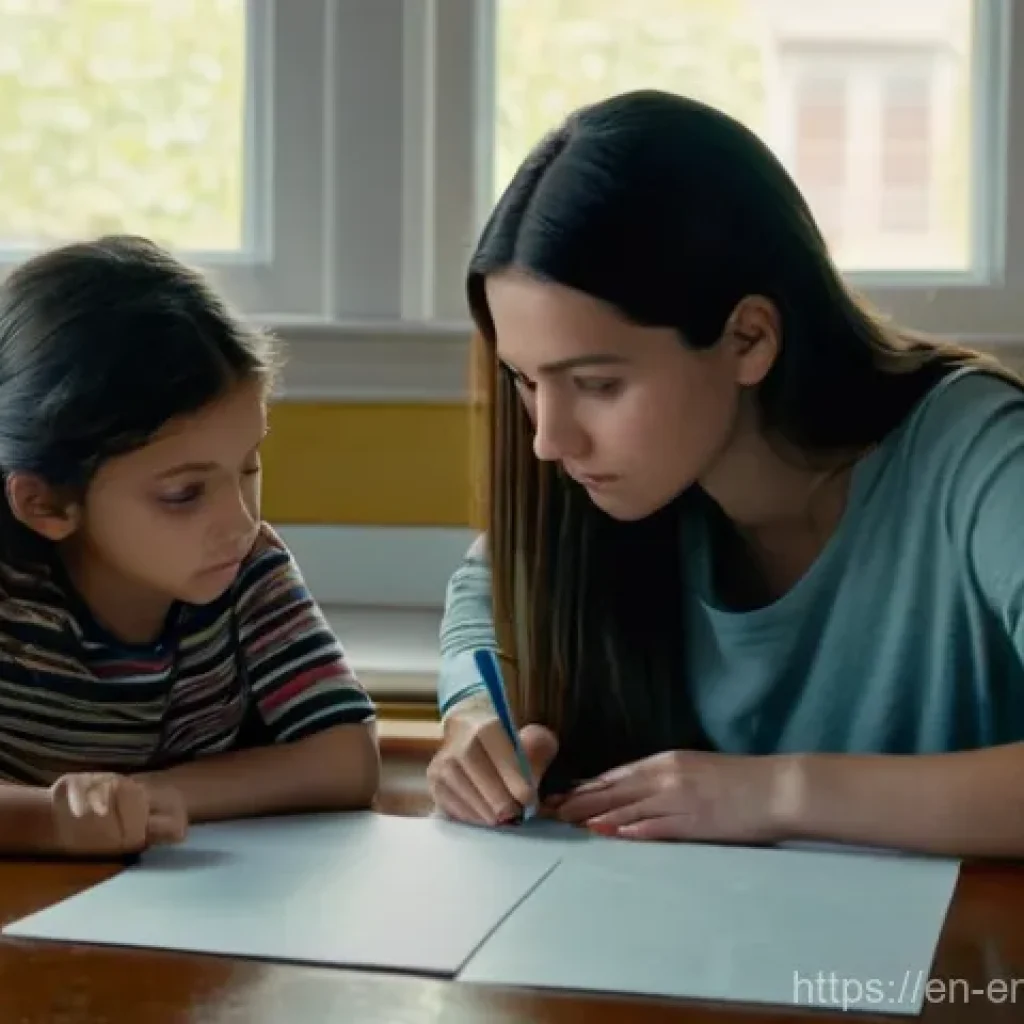
Emotional contagion and parenting education are hot topics, and for good reason. As parents, we often focus on the tangible—food, shelter, education—but what about the invisible threads of emotion that connect us to our children?
Recent research highlights just how much our emotional state can influence our kids’ well-being, from their behavior to their mental health. It’s not just about what we say, but what they “catch” from our unspoken feelings.
I’ve personally experienced how a stressful day can subtly shift the entire atmosphere at home, and I know many of you have too. The good news is, there’s a growing movement towards more mindful and emotionally intelligent parenting, with experts emphasizing strategies like self-regulation, empathy, and open communication to foster resilience in our little ones.
We’re seeing exciting new approaches that empower parents to consciously shape their family’s emotional climate, which is more crucial than ever in our fast-paced, digital world, where social media often adds layers of self-doubt.
By understanding how our emotions ripple through our families, we can truly transform our parenting journey and equip our children for success in an increasingly complex future, where emotional intelligence is touted as a key predictor of success.
It’s all about making those intentional choices to create a positive, supportive environment where everyone can thrive. Let’s dive deeper below to really get a handle on this, shall we?
Understanding the Ripple Effect: How Our Emotions Shape Our Kids

You know, it’s funny how we often overlook the most profound influences in our lives. As parents, we’re constantly juggling a million things – school runs, meal prep, deadlines – all while trying to instill good values and proper manners in our children. But have you ever stopped to consider the invisible currents flowing through your home? I’m talking about emotions. It’s a concept often called emotional contagion, and it’s powerful. I’ve personally experienced how my own stress after a tough workday can subtly, almost imperceptibly, cast a shadow over our family dinner, making everyone a little more on edge. It’s not something you can see or touch, but it’s undeniably there, like a ripple expanding across a pond. Recent studies are really shining a light on just how profoundly our emotional state impacts our kids, influencing everything from their mood and behavior to their long-term mental health. It’s not just about the words we choose, but the feelings they pick up on – that unspoken language that resonates deeply within our homes. Think about it: when you walk into a room, don’t you immediately sense the vibe? Kids are even more attuned to this. They’re like little emotional sponges, absorbing the atmosphere we create. Understanding this ripple effect is the first step towards consciously shaping a more positive and supportive environment for our entire family.
The Invisible Connections We Share
We’re all connected, right? Especially within a family. I remember one morning, I woke up feeling fantastic, and it was like that good mood spread through the house like wildfire. My kids were giggling more, they were more cooperative, and even our usually grumpy cat seemed a little more playful. This isn’t just anecdotal; there’s real science behind how our emotions jump from one person to another. It’s about more than just empathy; it’s a primal, often unconscious mirroring process. We pick up on subtle facial expressions, vocal tones, and body language, and our own internal states begin to align. For parents, this means our children are constantly calibrating their own emotional compass based on ours. If we’re consistently anxious, they might start to internalize that anxiety. If we’re joyful and resilient, they learn to embody those qualities too. It’s a profound responsibility, but also an incredible opportunity to influence their emotional landscape in a deeply positive way. It’s something I constantly try to be mindful of, especially when I feel my own stress levels rising, reminding myself that my calm can be their calm.
Why Their Feelings Mirror Ours
Have you ever noticed how a toddler will start crying just because another child cried, even if they don’t know why? That’s emotional mirroring in action. Our children, especially when they’re young, don’t have the fully developed emotional regulation skills that adults (hopefully!) possess. They rely heavily on us to understand and process their own feelings. So, when they see us stressed, upset, or overwhelmed, their brains instinctively respond by activating similar neural pathways, making them feel a version of what we’re feeling. It’s not always a conscious choice on their part; it’s a biological imperative for connection and survival. This mirroring extends to positive emotions too. When we express joy, enthusiasm, or calm, they often reflect that back. This is why managing our own emotional state isn’t just good for us; it’s a foundational act of parenting. It equips them with a framework for understanding emotions and, eventually, for regulating their own. It’s like we’re giving them a template for how to navigate the emotional complexities of life, and that’s a pretty powerful gift.
Decoding the Silent Language: What Our Children Really “Catch” From Us
As parents, we spend so much time thinking about what we *say* to our kids, but what about what we *don’t* say? It’s often the unspoken cues, the subtle shifts in our demeanor, that truly communicate the most. I’ve learned this lesson countless times, usually when my kids point out something I thought I was hiding pretty well, like a simmering frustration or a worry tucked away. They’re like little emotional detectives, constantly observing and interpreting our non-verbal signals. This “silent language” is a powerful conduit for emotional contagion. Think about a time you walked into a room and just *felt* the tension, even if no one said a word. Our children are even more adept at this. They pick up on our body language, our facial micro-expressions, the tone underlying our words, and even the subtle shifts in our energy. It’s not just about being aware of this, it’s about understanding how it shapes their world. When we’re genuinely present and calm, they sense it. When we’re distracted and stressed, they pick up on that too, and it can manifest in their behavior in ways we might not immediately connect to our own internal state. This deep understanding of non-verbal cues is essential for fostering a truly supportive and emotionally intelligent home environment.
More Than Just Words: Non-Verbal Cues and Their Impact
Imagine trying to teach a child about kindness solely through lectures. It probably wouldn’t be as effective as showing them kindness through your actions and your non-verbal expressions. Our kids learn so much through observation, and our non-verbal cues are a constant, unfiltered stream of information for them. A tight jaw, hurried movements, a sigh, or even just a distracted gaze can tell them more than a dozen reassuring words. I once realized my consistent rushing in the mornings was making my kids anxious and prone to meltdowns, even though I was saying “we’re fine, we’re fine!” My frantic energy was speaking louder than my calming words. Conversely, a relaxed posture, a genuine smile, or a calm, steady presence can instantly put them at ease. These cues teach them about safety, about how to navigate situations, and about how to express their own emotions. They internalize these patterns, and they become part of their own emotional vocabulary. That’s why being mindful of our own non-verbal language is crucial; it’s a direct line to their developing emotional understanding.
The Neuroscience Behind Emotional Mimicry
It’s not just a fuzzy feeling; there’s actual brain science explaining why our children mirror our emotions. It largely comes down to what scientists call “mirror neurons.” These fascinating brain cells fire not only when we perform an action, but also when we *observe* someone else performing that same action. This system is believed to be fundamental to empathy, learning, and, you guessed it, emotional contagion. When your child sees your frustrated face, their mirror neurons for frustration might start to activate, essentially giving them a “taste” of what you’re feeling. It’s like their brain is practicing your emotion. This process is particularly active in children because their brains are wired for rapid learning and social connection. They’re constantly trying to understand the world around them, and their primary instructors are us. This neural mirroring allows them to literally feel into our experiences, helping them bond with us and learn social norms. Understanding this biological underpinning really highlights the profound responsibility we have to manage our own emotional landscape, knowing it’s directly shaping theirs.
Building Your Emotional Toolkit: Practical Strategies for Mindful Parenting
Alright, so we know our emotions are contagious. Now what? The good news is, we’re not just passive recipients of this emotional ripple effect. We can actively build an emotional toolkit, both for ourselves and for our children, that helps us navigate these powerful currents. It’s not about never feeling negative emotions – that’s impossible and unhealthy – but about learning how to manage them constructively and model that for our kids. I’ve found that some of the most impactful changes in my family started with me taking a deep breath and consciously choosing a different response. It’s about being proactive, not reactive. This toolkit includes strategies like self-regulation, which is essentially mastering your own emotional temperature, and creating an environment where open communication about feelings is not just tolerated, but encouraged. It’s an ongoing process, a journey rather than a destination, and there will be days when you feel like you’ve completely messed up. But every effort, every small adjustment, contributes to a stronger, more emotionally resilient family unit. It’s about arming ourselves with practical, actionable steps to ensure our emotional influence is a positive one, helping our kids thrive in a world that can often feel overwhelmingly complex.
Mastering Your Own Emotional Temperature
This is probably the single most important piece of the puzzle: your own self-regulation. Think of it like a thermostat for your emotions. When I feel myself getting overwhelmed – maybe after a particularly challenging phone call or a frustrating email – I’ve learned to hit pause. This might mean stepping away for five minutes, taking a few deep breaths, or even just consciously relaxing my shoulders and jaw. The goal isn’t to suppress the emotion, but to acknowledge it and prevent it from immediately spilling over onto my kids. I’ve found that simply naming what I’m feeling to myself, “Okay, I’m feeling really frustrated right now,” can often take some of its power away. It’s about creating a tiny bit of space between the stimulus and your reaction. This practice not only helps you respond more thoughtfully, but it also provides a powerful model for your children. They watch how you handle stress, anger, or disappointment, and they learn that emotions are manageable. It’s not about being perfect; it’s about demonstrating the effort to manage, and that’s a profoundly valuable lesson. Seriously, give it a try – you might be surprised how much a few moments of intentional calm can change the trajectory of your day.
Open Communication: Creating a Safe Space for Feelings
Once you’ve got a handle on your own emotions, the next step is to create an environment where your kids feel safe expressing theirs. This means moving beyond just “How was your day?” to deeper conversations. For me, it often involves asking questions that invite more than a one-word answer, like “What was the most surprising thing that happened today?” or “What’s something that made you feel really good – or maybe a little bit sad?” It’s about active listening, really hearing what they’re saying without immediately jumping in to fix it or offer advice. Sometimes, all they need is to feel heard and understood. We’ve even started a family tradition of sharing “roses and thorns” (one good thing, one challenging thing) during dinner, which opens up these dialogues naturally. It’s a space where all emotions are welcome, not just the “happy” ones. When kids learn that it’s okay to feel angry, sad, or scared, and that you’re there to help them process those feelings, they develop incredible emotional literacy. This foundation of open communication is invaluable for building trust and resilience, ensuring that when bigger emotional challenges arise, they feel comfortable coming to you.
Navigating the Digital Tides: Protecting Your Family’s Emotional Well-being
In today’s hyper-connected world, emotional contagion takes on a whole new dimension. It’s no longer just about the emotions shared within the four walls of our home; it’s about the constant deluge of feelings, opinions, and curated realities pouring in from social media and digital screens. As a parent, I’ve found myself constantly wrestling with how to protect my kids – and frankly, myself – from the often overwhelming and sometimes negative emotional currents of the internet. It’s a tricky balance, because technology isn’t inherently bad, but its impact on our emotional landscapes is undeniable. Social media, in particular, can be a breeding ground for comparison, self-doubt, and anxiety, creating subtle shifts in our children’s emotional well-being that are easy to miss until they’ve become significant. We see the curated highlights of everyone else’s lives, and it’s almost impossible not to compare, leading to feelings of inadequacy or envy. My personal experience has shown me that without intentional boundaries and conversations, the digital world can inadvertently amplify negative emotional contagion, making it even more crucial for us to be proactive in cultivating a healthy digital environment at home. It’s about teaching discernment and resilience in a world that’s constantly vying for our emotional attention.
The Influence of Screen Time on Emotional Contagion
Think about it: endless scrolls through social feeds, fast-paced video games, or even just binge-watching shows can deeply impact our emotional state, often without us even realizing it. For kids, whose emotional regulation centers are still developing, this influence is even more pronounced. The constant exposure to intense emotions – whether it’s the manufactured drama of a reality show or the unfiltered reactions on a gaming platform – can make it harder for them to differentiate between what’s real and what’s digital. I’ve noticed that after too much screen time, my kids can be more irritable, anxious, or struggle to connect in real-life interactions. This isn’t just because they’re tired; it’s because their emotional systems have been overloaded, making them more susceptible to negative emotional contagion from their digital interactions and then bringing that heightened state into our home. It’s not about banning screens entirely, but about conscious consumption – understanding that every piece of content carries an emotional charge, and we need to help our children process that charge in a healthy way. It’s a vital part of protecting their developing emotional resilience.
Setting Boundaries in a Connected World
This is where the rubber meets the road. In our house, setting clear boundaries around screen time and digital interactions has become non-negotiable, not as a punishment, but as a protective measure for everyone’s emotional health. This looks like designated “device-free” times, especially during meals and before bed, and having open discussions about the types of content they’re consuming. We talk about how social media can make people feel, the difference between real-life connections and online interactions, and the importance of digital detoxes. I’ve even started modeling this myself by putting my phone away more often when I’m with them. It’s tough, because the digital world is designed to be addictive, but the benefits for their emotional well-being are immeasurable. These boundaries aren’t just about limiting screen time; they’re about creating intentional space for real-world emotional connection, for reading a book, playing a board game, or simply having a meaningful conversation. It’s about carving out pockets of calm in a noisy digital landscape, fostering resilience and a strong sense of self that isn’t dependent on likes or followers.
Beyond Traditional Discipline: Fostering Resilience Through Emotional Intelligence

For so long, parenting seemed to revolve around discipline: rules, consequences, and shaping behavior. And while those things have their place, I’ve come to realize that true, lasting impact comes from something much deeper: fostering emotional intelligence. It’s about equipping our children not just with good manners, but with the internal tools to understand, manage, and express their feelings in healthy ways, and to empathize with others. This approach goes far beyond simply correcting misbehavior; it’s about understanding the *why* behind the behavior and helping them build resilience from the inside out. I’ve personally seen how shifting my focus from “stop doing that!” to “I see you’re feeling frustrated, what can we do about that?” has transformed meltdowns into moments of connection and learning. It’s not a quick fix, and it requires a lot more patience and emotional labor from us as parents, but the long-term rewards are immeasurable. When children are emotionally intelligent, they are better equipped to navigate the inevitable challenges of life, bounce back from setbacks, and form strong, meaningful relationships. It’s about preparing them for success not just academically or professionally, but personally, by giving them the bedrock of emotional strength.
Teaching Empathy and Self-Awareness
One of the cornerstones of emotional intelligence is empathy – the ability to understand and share the feelings of another. It’s not something kids are just born with; it’s something we actively teach and model. In our home, this looks like asking questions like, “How do you think your friend felt when that happened?” or “When you pushed your sibling, how do you think that made them feel?” We talk about feelings constantly, using a wide vocabulary to describe emotions beyond just “happy” or “sad.” We also focus on self-awareness: helping them identify their own feelings and understand what triggers certain reactions. I’ve found that using “I feel” statements myself (“I feel tired when I hear loud noises after a long day”) helps them learn to articulate their own internal experiences. We also practice acknowledging their feelings without judgment, even when their behavior isn’t ideal. “I can see you’re really angry right now,” followed by a pause, often diffuses a situation far more effectively than any immediate reprimand. These conversations are building blocks, helping them connect their internal world to their actions and to the experiences of others, ultimately fostering a deeper capacity for compassion and understanding.
The Power of Reflective Listening
Have you ever been in a conversation where you just felt truly heard? That’s the power of reflective listening, and it’s a game-changer in parenting. It’s more than just hearing the words; it’s about reflecting back what you *think* your child is feeling or trying to communicate. For example, instead of just saying “Okay,” when they tell you something, you might say, “It sounds like you’re really excited about that new game,” or “You seem frustrated that your tower keeps falling down.” This simple act validates their emotions and shows them you’re truly paying attention. I’ve noticed that when I use reflective listening, my kids often open up more, feeling understood and less alone with their feelings. It helps them clarify their own thoughts and feelings, and it teaches them that their emotional experiences matter. It also helps them to develop their own emotional vocabulary and processing skills. It’s not about fixing everything; sometimes, it’s just about being a mirror for their emotions, allowing them to see and understand their own internal world more clearly. This technique is incredibly powerful for building a strong, trusting emotional bond and for teaching them invaluable communication skills.
Your Emotional Blueprint: Why Self-Regulation is Your Parenting Superpower
When we talk about parenting superpowers, we often think of things like boundless energy or the ability to magically find lost socks. But I’m here to tell you, the real superpower is self-regulation. It’s your emotional blueprint, the internal guide that dictates how you respond to stress, joy, frustration, and everything in between. And here’s the kicker: your kids are constantly downloading and internalizing that blueprint. If you’re consistently calm and collected under pressure (or at least *appear* to be!), they learn that challenges are manageable. If you tend to explode or shut down, they learn those patterns too. I’ve found that my ability to self-regulate, to take a beat before reacting, is the single most impactful tool I have in my parenting arsenal. It’s not about being perfect; trust me, I have my moments where I completely miss the mark. But it’s about the consistent effort, the daily practice of checking in with myself, acknowledging my feelings, and then consciously choosing how to respond rather than just reacting on autopilot. This isn’t just about managing tantrums or sibling squabbles; it’s about laying down a foundation for their lifelong emotional health. When you master your own emotional temperature, you’re essentially giving them a masterclass in resilience.
Practical Steps to Cultivate Calm
So, how do you actually *do* this? It sounds great in theory, but when you’re in the thick of it, trying to get three kids out the door on time, “cultivating calm” feels like a distant dream. I’ve found a few practical steps that genuinely help. First, identify your triggers. What usually pushes your buttons? For me, it’s a specific tone of voice or repeated interruptions. Knowing this helps me anticipate and mentally prepare. Second, implement a “pause” button. This could be a literal deep breath, a quick walk to another room, or even just counting to ten. I often use a mantra, “I can handle this calmly,” to recenter myself. Third, build in small moments of self-care throughout your day, not just when you’re completely burnt out. This could be five minutes of quiet coffee in the morning, listening to a favorite podcast on a commute, or a quick stretch. These tiny acts of refueling make a huge difference in your overall emotional reserves. Fourth, learn to let go of perfection. It’s okay to have an off day. Forgive yourself, learn, and try again. It’s a continuous practice, not a destination, and every small effort to bring calm into your own life ripples out to your entire family.
Modeling Healthy Emotional Responses
This is where our emotional blueprint truly comes to life for our children. It’s not enough to tell them to “be calm”; we have to *show* them how. When I’m feeling overwhelmed, I try to articulate it calmly: “Mommy is feeling a little frustrated right now because X, Y, Z happened. I’m going to take a moment to breathe.” This models self-awareness and healthy coping. When I make a mistake, I apologize genuinely, showing them how to take responsibility. “I’m sorry I snapped earlier, I was feeling stressed, and that wasn’t fair to you.” This teaches humility and repair. We also model positive emotions: expressing joy, gratitude, and enthusiasm openly. When we celebrate small victories or express appreciation, they learn the value of positive emotional expression. It’s about demonstrating the full spectrum of human emotion in a balanced and constructive way. They see that emotions are natural, that it’s okay to feel them, and that there are healthy ways to process and communicate them. This modeling is arguably the most powerful form of emotional education our children will ever receive, shaping their own capacity for emotional intelligence throughout their lives.
| Strategy | Description | Parental Action / Example |
|---|---|---|
| Emotional Vocabulary Building | Helping children identify and name a wide range of feelings beyond basic happy/sad. | “Are you feeling frustrated, or more disappointed right now?” |
| Reflective Listening | Mirroring back a child’s feelings to show understanding and validation. | Child: “I hate my homework!” Parent: “It sounds like you’re feeling really overwhelmed by this math.” |
| Modeling Self-Regulation | Demonstrating healthy ways to manage one’s own emotions. | “I’m feeling a bit angry, so I’m going to take a deep breath before I respond.” |
| Empathy Cultivation | Encouraging children to consider the feelings and perspectives of others. | “How do you think your friend felt when you took their toy?” |
| Problem-Solving Skills | Guiding children to find constructive solutions to emotional challenges. | “You’re mad at your sister. What’s a way we can solve this that makes you both feel better?” |
Cultivating a Thriving Home: Creating a Positive Emotional Climate
Ultimately, all of these strategies lead to one overarching goal: creating a positive emotional climate in your home. This isn’t about being perpetually happy or denying negative emotions; it’s about fostering an environment where emotional health is prioritized, where feelings are acknowledged and processed constructively, and where joy, connection, and resilience can flourish. It’s the difference between a home that feels like a refuge and one that feels like a battlefield. I’ve personally experienced the profound shift that occurs when you intentionally focus on this. It’s like tending a garden; you pull the weeds of negativity, nurture the seeds of connection, and celebrate the blooms of joy. It requires conscious effort and consistency, but the rewards are immeasurable – a home where everyone feels safe, supported, and truly seen. This kind of environment becomes a powerful buffer against the stresses of the outside world, equipping our children with an inner strength that will serve them well throughout their lives. It’s about being the architects of our family’s emotional landscape, shaping it with intention and love, so that every member can thrive and blossom into their fullest potential. And honestly, isn’t that what we all truly want for our kids?
Intentional Joy and Gratitude Practices
One of the most powerful ways to cultivate a positive emotional climate is through intentional practices of joy and gratitude. It’s easy to get caught up in the daily grind and forget to appreciate the good things, big and small. In our family, we’ve started a tradition of sharing three things we’re grateful for at dinner each night. It sounds simple, but it consistently shifts the energy at the table, reminding us of all the blessings in our lives. We also try to actively seek out moments of joy together – whether it’s impromptu dance parties in the living room, a silly game of charades, or just cuddling up to read a book. These aren’t just frivolous activities; they’re vital for building positive emotional reserves and counteracting the inevitable stresses of life. When children regularly experience and express joy and gratitude, their brains literally rewire to seek out and appreciate these positive emotions more readily. It teaches them to find beauty in the everyday and to cultivate an optimistic outlook, even when things are challenging. These practices are truly like sunshine for the soul, making our home a brighter, happier place for everyone.
When to Seek Extra Support
As much as we strive to create a positive emotional climate, it’s also crucial to recognize when we, or our children, might need a little extra help. Parenting is tough, and sometimes the emotional challenges are bigger than what we can manage on our own. I’ve learned that there’s absolutely no shame in reaching out for professional support – in fact, it’s a sign of strength and a commitment to your family’s well-being. This might look like consulting with a child therapist if your child is struggling with persistent anxiety, behavioral issues, or prolonged sadness. It could mean seeking family counseling to navigate difficult transitions or communication breakdowns. And sometimes, it means a parent seeking individual therapy or coaching to address their own emotional challenges, knowing that improving your own emotional blueprint directly benefits your entire family. The key is to pay attention to persistent changes in mood, behavior, or emotional distress that seem beyond what you can effectively address with your current strategies. Just like we’d go to a doctor for a physical ailment, emotional health deserves the same proactive and professional attention. Recognizing when to seek help is perhaps one of the most important acts of emotional intelligence we can model for our children, showing them that it’s okay to not be okay, and that support is always available.
Wrapping Things Up
As we navigate the beautiful, chaotic journey of parenthood, it’s clear that our emotional landscape isn’t just our own; it’s a shared blueprint for our children. Understanding the ripple effect of our feelings and actively cultivating our own emotional intelligence is, without a doubt, one of the most profound gifts we can give them. It’s an ongoing adventure of self-discovery and growth, one where every conscious breath and every intentional conversation builds a stronger, more resilient family. Remember, you’re not striving for perfection, but for authentic connection and a home filled with emotional warmth. Keep showing up, keep learning, and trust that your efforts are truly shaping the hearts and minds of the next generation.
Useful Information to Know
1. Emotional Contagion is Real: It’s not just a feeling; scientific studies confirm that emotions spread from person to person, especially within close relationships like families. Your mood truly sets the tone for your household, influencing your children’s emotional state, behavior, and even their long-term well-being. Recognizing this is the first step towards more mindful parenting. It’s like when I walk into a room and instantly feel the ‘vibe’ – kids are even more sensitive to it, absorbing everything, which means our internal world directly impacts their external experience.
2. Your Non-Verbal Cues Speak Volumes: Beyond the words you say, your body language, facial expressions, and tone of voice are powerful communicators. Children are incredibly adept at picking up on these silent signals, often interpreting them more than your verbal reassurances. Being aware of how you carry yourself, especially when stressed or joyful, can help you model calm and consistency, turning potentially anxious moments into profound learning opportunities for your little ones about how to truly express and manage emotions without needing a single word.
3. Self-Regulation is Your Superpower: Learning to manage your own emotions – taking a pause before reacting, identifying your triggers, and practicing consistent self-care – isn’t just good for you; it’s a direct, powerful lesson for your children. When they see you navigate frustration or disappointment with grace, you’re teaching them invaluable coping mechanisms that will serve them throughout their lives. I’ve found that just a few deep breaths can completely change my approach to a challenging situation, and my kids absolutely notice that positive shift, often mimicking it themselves when they face their own mini-crises.
4. Open Communication Builds Resilience: Creating a safe space where all emotions are welcome is absolutely fundamental. Encourage your children to talk about their feelings, listen reflectively without judgment, and always validate their experiences, even if you don’t agree with their actions. This fosters emotional literacy and teaches them that it’s okay to feel angry, sad, or scared, and that you’re there to help them process those feelings, building their inner strength. Our family’s “roses and thorns” ritual at dinner, sharing one good and one challenging thing, has been an amazing, consistent tool for this.
5. Digital Boundaries Protect Emotional Health: In today’s hyper-connected digital age, screen time can inadvertently amplify emotional contagion, exposing kids to overwhelming content, comparison traps, and intense online drama. Setting clear, consistent boundaries around devices and actively fostering real-world connections are crucial for protecting their developing emotional well-being. It’s about teaching discernment, building an inner resilience that isn’t swayed by online pressures, and creating invaluable pockets of calm in a busy online world where true connection can still flourish, uninhibited by endless scrolling.
Key Takeaways
At the heart of it all, remember that your emotional well-being is intrinsically linked to your child’s. By consciously managing your own emotions, fostering open communication, and setting healthy boundaries, you’re not just reacting to daily challenges; you’re actively constructing a robust blueprint for their lifelong emotional health and resilience. This journey isn’t about achieving some elusive state of parental perfection, but about consistent, loving effort and a willingness to grow right alongside them. Embrace your vital role as an emotional guide, showing them how to navigate the full, rich spectrum of human feelings with strength, empathy, and genuine resilience. Every small step you take to nurture your own calm and connect deeply with your children’s hearts creates a profound, positive ripple effect, ensuring they grow up feeling truly seen, understood, and deeply loved. Keep being the incredible, evolving parent you are, making those intentional choices every single day.
Frequently Asked Questions (FAQ) 📖
Q: Okay, so “emotional contagion” sounds a bit fancy. What exactly does it mean for us as parents, and how does it really show up in our day-to-day family life?
A: You’re right, it can sound a little academic, but trust me, it’s something we all experience every single day, whether we realize it or not! Think of emotional contagion like catching a cold, but instead of sniffles, you’re “catching” feelings.
It’s that invisible way emotions spread from one person to another, almost subconsciously. As parents, this is super important because our kids are emotional sponges, soaking up everything around them.
I’ve definitely walked into my house after a crazy day at work, feeling totally drained and stressed, and before I knew it, the kids were bickering more, or just seemed a bit off.
It wasn’t anything I said to them, but my unspoken mood had clearly set the tone. Suddenly, their little anxieties or frustrations seemed to amplify mine, and it felt like the whole house was buzzing with a low hum of tension.
It’s wild, but experts tell us we’re actually more prone to catching negative emotions because of our built-in survival instincts, which makes sense if you think about it.
The good news is, it goes both ways! When we bring calm, joy, or enthusiasm into the home, our children are just as likely to “catch” those positive vibes, too.
It’s about being aware that our emotional state is constantly broadcasting, and our kids are definitely tuning in.
Q: I get it, my mood matters! But honestly, sometimes I feel so overwhelmed by my own emotions, especially when life gets stressful. What are some real-world strategies to help me regulate my feelings better, so I can be that calm presence for my kids?
A: This is such a critical question, and believe me, you are not alone in feeling overwhelmed! We all have those moments (or days, or weeks!). The truth is, you can’t pour from an empty cup, and trying to manage your kids’ emotions when you’re emotionally depleted is like trying to navigate a storm without a compass.
My biggest game-changer has been prioritizing my own self-regulation, which basically means learning to manage my reactions and stay calm under pressure.
It starts with awareness. I found that just noticing what I’m feeling and why I’m feeling it, without judgment, is the first step. Is it stress from work?
Lack of sleep? A nagging worry? Then, I lean into simple, yet powerful, techniques.
A few deep breaths can work wonders to reset your nervous system. Sometimes, it’s about taking a quick “brain break”— stepping outside for five minutes, listening to a favorite song, or even just splashing cold water on my face.
These aren’t just for you; you’re modeling incredible resilience for your children. I’ve found that when I consciously practice these little self-care moments, I’m much more able to respond thoughtfully instead of just reacting on autopilot.
Remember, it’s okay to feel your emotions, but learning to manage how you express them is a superpower for both you and your family.
Q: Alright, I’m ready to make a positive change! Beyond managing my own feelings, what are some actionable steps my partner and I can take to consciously create a more supportive and emotionally intelligent environment for our children?
A: That’s fantastic! Making intentional choices to shape your family’s emotional climate is truly one of the greatest gifts you can give your kids. For me, it boils down to three key areas: communication, empathy, and consistency.
First, open communication is non-negotiable. We’ve made it a point in our family to talk about all emotions, not just the “happy” ones. Things like our “Highs and Lows” at dinner, where everyone shares one good thing and one challenging thing about their day, have created this amazing space for genuine connection and understanding.
It teaches them that all feelings are valid and safe to express. Second, nurturing empathy is huge. We actively encourage our kids to think about how others might be feeling by asking questions like, “How do you think your brother felt when that happened?”.
Role-playing different scenarios can also be incredibly effective for building this skill. Finally, consistency in creating a supportive environment is crucial.
This means establishing predictable routines that promote well-being—things like regular family meals, adequate sleep, and plenty of physical activity, which all contribute to emotional balance.
It also means actively modeling emotional regulation ourselves, and yes, even apologizing when we mess up. When your children see you acknowledge your mistakes and repair them, you’re teaching them courage and accountability.
Ultimately, it’s about making your home a place where everyone feels seen, heard, and understood, fostering a sense of psychological safety that empowers them to thrive.